Crafting with Place: Alpine Timber, Adriatic Stone, and Natural Fibers

Step into a world where material choices tell regional stories, as we explore Alpine timber shaped by snow-laden winters, Adriatic stone tempered by salt winds, and natural fibers grown in sunlit fields. Discover how origin, craft, and performance converge to create enduring architecture, interiors, and objects that feel grounded, honest, and beautifully alive in daily use.

From Mountain Forests and Coastal Cliffs

Understanding where materials come from transforms the way we design with them. Alpine forests produce slow-grown boards with tight rings and quiet resilience. The Adriatic coast yields limestone and marble with luminous grain and remarkable longevity. Fields of flax, hemp, and meadows of grazing sheep complete a palette that links climate, geology, and human care in every fiber, knot, and vein.

Alpine Woods at Altitude

High-elevation spruce and larch mature slowly, counting winters in narrow rings that gift stability and strength. A forester once told me you can read storms in the grain; each ridge preserves a season. Builders prize these boards for responsive acoustic qualities, steady moisture behavior, and the warm scent released when planed, inviting human touch long after tools have fallen silent.

Limestone and Marble by the Adriatic

From Istrian quarries to Dalmatian shores, stone emerges with subtle shells, gentle porosity, and pale warmth. Seaside towns trust it for steps polished by generations, courtyards that drain rain gracefully, and facades that shrug off salty air. Historic examples, like Diocletian’s Palace in Split, whisper lessons about bedding planes, lime mortars, and the quiet dignity of materials set with patience.

Fields, Flax, Hemp, and Sheep

In temperate valleys and breezy uplands, flax ripples blue before becoming linen, hemp grows tall with minimal inputs, and sheep move across meadows under shepherds’ watchful eyes. These fibers store sunlight and rain as texture, breathability, and comfort. Spinners and weavers translate harvests into cloths and rugs that soften light, calm echoes, and introduce humane warmth beneath bare feet.

Design Language and Applications

Material decisions shape how spaces feel, age, and invite us to live well. Alpine boards make interiors glow, stones offer grounding weight and coolness, and natural textiles quiet a room while adding softness. Balancing these elements across structure, surface, and furnishings lets architecture speak with a regional cadence, welcoming both contemporary clarity and the hospitality of long-standing craft traditions.

Wood Species, Moisture, and Dimensional Stability

Spruce excels in interior elements where lightness matters, while larch’s resin content suits exterior boards weathering snow and sun. Quarter-sawn cuts reduce cupping; end-grain sealing moderates uptake. Allow enough ventilation behind cladding, and choose breathable oils that slow exchange rather than trapping vapor. When boards acclimate properly on site, seasonal movement reads as a calm, intended gesture.

Stone Porosity, Strength, and Slip Resistance

Adriatic limestones vary: some tighter and frost‑resistant, others more open and best indoors. Verify water absorption rates, compressive strength, and coefficient of friction for wet areas. Orient bedding planes correctly to resist delamination. Prefer breathable sealers sparingly, enabling vapor to pass while resisting stains. Small adjustments in finish—honed, bush‑hammered, brushed—can dramatically shift glare and foot feel.

Fiber Durability and Maintenance Cycles

Linen shines in curtains and bedding where breathability and quick drying are assets. Hemp blends resist abrasion on upholstery, while wool cushions regulate humidity and spring back gracefully. Rotate cushions seasonally, vacuum textiles gently, and protect from prolonged direct sun. When pills or snags appear, address them with calm repairs, preserving texture while extending service life beautifully.

Sourcing with Integrity

Traceability protects landscapes and communities as surely as it protects design intent. Choose forestry operations audited for biodiversity and worker safety, quarries stewarding water and dust, and farms regenerating soils while paying fairly. Specify transport methods that cut emissions, favor regional fabrication where possible, and keep communication transparent so each board, block, and bolt of cloth carries accountability.

Craft Techniques and Details

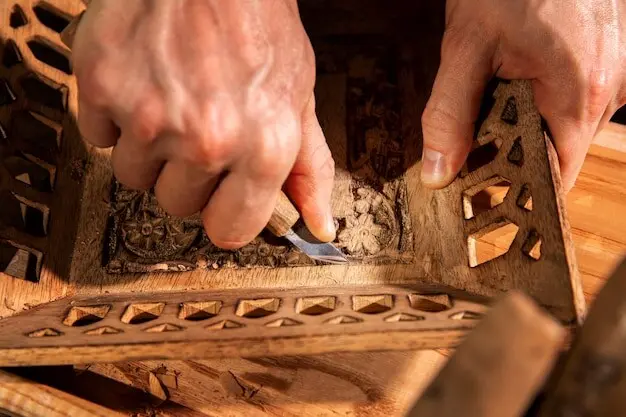
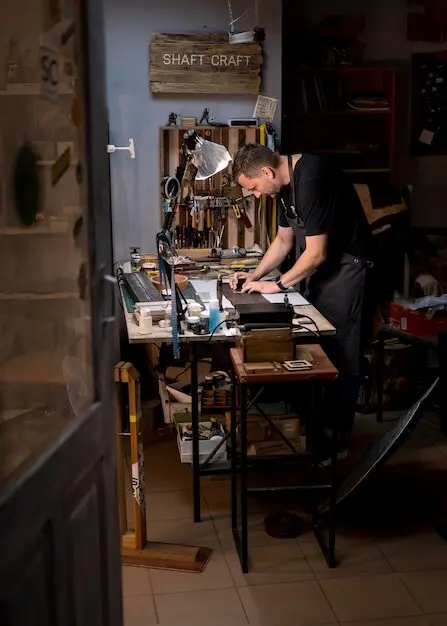
Detailing translates material potential into daily delight. Joinery that anticipates movement prevents cracks and squeaks. Stone set to drain, not fight water, lasts lifetimes. Textiles finished softly, not sealed to sterility, breathe with rooms. Invite makers early, listen to their hands, and let the logic of tool marks, edges, and grain become the quiet ornament your spaces deserve.

Joinery That Moves with Seasons

Favor mortise‑and‑tenon where strength must meet elegance, and let panels float within frames to accommodate swelling. Pre‑finish tongues and grooves, back‑prime where vapor differentials challenge stability, and consider charred larch cladding for robust weathering. Showing a well‑cut scarf joint along a corridor can become a subtle landmark, teaching visitors that precision can feel welcoming rather than severe.

Stone Set to Breathe and Drain

Lay courses with bedding planes level, easing water along gravity’s path instead of resisting it. Lime mortars flex and self‑heal, moving with stone; cement can trap moisture and spall edges. Carve drips under sills, open weeps behind cladding, and lift pavers on pedestals where floods threaten. Each decision reduces maintenance while preserving that soft, tactile sheen underfoot.

Fibers Spun, Woven, and Finished Honestly

Respect the hand of linen by avoiding heavy resins; a simple wash and calendaring keeps breathability intact. Wool fulling densifies without suffocating pile. Plant‑based mordants anchor color with gentle chemistry. Embrace selvedges in visible hems, celebrate slubs as proof of life, and stitch labels by hand so future caretakers know how to launder, patch, and pass pieces on.

Care, Costs, and Long-Life Value

Stewardship turns investment into inheritance. Plan finishes and cleaning routines that respect vapor, texture, and patina. Model budgets over decades, not seasons, accounting for gentle maintenance rather than harsh replacements. Track transport, waste, and energy, then celebrate reductions publicly. By inviting feedback, you create a circle where users, makers, and materials improve each other with every thoughtful adjustment.
Farivaroloripentolaxi
Privacy Overview

This website uses cookies so that we can provide you with the best user experience possible. Cookie information is stored in your browser and performs functions such as recognising you when you return to our website and helping our team to understand which sections of the website you find most interesting and useful.