Between Peaks and Coast: Handcraft Journeys That Restore Skill and Spirit

Step into the world of traditional craft workshops and restorative retreats nestled between high mountain ridges and the shimmering coast. Here, weaving looms hum, clay wheels turn, and carving knives whisper through grain as sea winds mingle with pine. Discover how days shaped by attentive hands rebuild confidence, spark friendship, and root creativity in place. Join us as we explore traditional craft workshops and retreats between peaks and coast, and share your questions or memories to enrich this living conversation.

Where Mountains Meet the Sea, Craft Breathes

Along narrow roads curling from alpine passes to quiet coves, artistry survives because the landscape insists on patience. Herders who once mended gear spin wool with practiced calm; fishers knot lines that later become intricate macramé. Microclimates determine fibers, dyes, drying times, and firing schedules, while the movement of tides sets the studio’s rhythm. Tell us what places you’ve found where skill, wind, and stone seem to guide every creative choice.

Hidden Villages Above the Tree Line

Perched where clouds graze rooftops, small communities keep looms near windows flooded with glacier light. Mornings carry the scent of heather and sheep, and afternoons echo with shuttle clicks. Guests learn that altitude changes tension, humidity shapes threads, and neighboring peaks quiet distractions. Share a memory from a high place where your hands finally matched your breath.

Harbors with Workshops Open at Dawn

Before gulls fully wake, potters wedge clay while the tide inhales softly. Salt mist freckles leather-hard bowls, and kilns are stacked as sun slides over breakwaters. Visitors sip strong tea, then center clay with guidance honed by decades of early mornings. Tell us if salt air ever sharpened your focus or softened your grip when learning something new.

Footpaths Connecting Studios and Quiet Chapels

Stone paths thread past shrines, terraces, and terraces of thyme, guiding wanderers between studios where hospitality is ritual. A carved bench under a cypress becomes a classroom; bells mark pauses rather than deadlines. Walkers trade tips about dye plants, respectful etiquette, and water sources. What path taught you more about making than any manual or tutorial ever could?


From Loom and Wheel to Knife and Needle

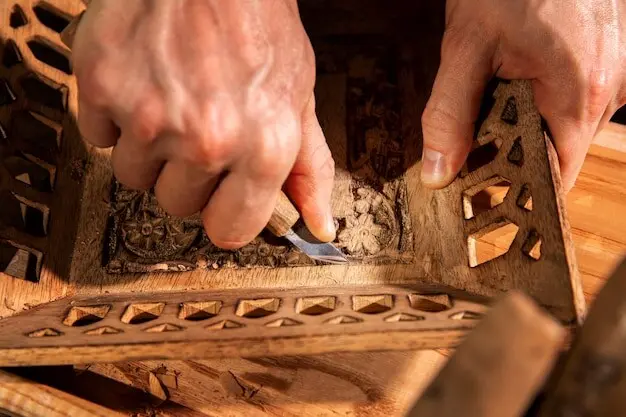
Workshops balance rigor with welcome. You may sequence warps, draft patterns, and read selvedge stories, then switch to clay to test forms against fire. Basket makers gather reeds at first light; carvers study growth rings before a single cut. Safety, rhythm, repetition, and joyful mistakes matter equally. Ask for pace adjustments, celebrate small wins, and encourage fellow learners generously.

Retreat Rhythms That Slow the Heart

Mornings of Breath, Tea, and Careful Setup

Blank tables become inviting workstations with thoughtfully arranged tools, threads, and soft cloths. Instructors remind everyone to protect wrists, hydrate, and warm shoulders. Short demos prevent confusion later, while quiet agreements about tidying save energy for making. How do you prepare your space so creativity arrives calmly, without drama, like a reliable friend who knows the door code?

Afternoons of Flow, Laughter, and Gentle Corrections

Practice stretches into golden hours where mistakes feel playful rather than punishing. A mentor’s small tap on the shuttle or wheel shifts everything. Partners trade roles—observer and maker—to catch tension, posture, and pace. Snacks revive courage. Share a technique for requesting feedback kindly, and tell us how you soothe nerves when progress stalls or confidence thins.

Evenings by the Shore, Sharing Work and Warm Soup

Finished pieces surround steaming bowls, and conversations braid skills, languages, and jokes. Someone reads a poem; another patches a pocket with new stitches. Plans form for tomorrow’s dye bath or sunrise sketch. The moon lifts, and gratitude grows. What ritual closes your day so learning consolidates gently rather than evaporating into tomorrow’s rush?

Materials of Place, Ethics of Practice

Everything begins with what the land and water offer responsibly. Wool carries hillside stories; clay recalls riverbeds; driftwood tells of storms and patience. Dyes from walnut, madder, or seaweed honor cycles and limits. Workshops prioritize fair pay, minimal waste, and clear sourcing. Tell us how you weigh beauty against impact, and what ethical commitments guide your making.

Wool Trails, Plant Dyes, and Weathered Hands

Shearers move with calm choreography, then spinners test crimp and luster. Dye pots simmer with onion skins, weld, or indigo, their scents marking seasons. Participants learn mordants, water pH, and aftercare that preserves color. Share a fiber you cherish, and the landscape it evokes when you close your eyes and feel its warmth return.

Clay Pits, Glazes, and Tides that Teach Humility

Local clay can be silky or stubborn, asking for sifted sand or added grog. Glaze recipes pass whisper to notebook, evolving with ash, feldspar, and sea salts. Firings respond to wind direction and patience. Which material challenged your certainty, then rewarded attentive curiosity with surfaces you could read like weathered maps?

Forest Stewardship and the Gift of Fallen Wood

Gathering respects habitat first: fallen limbs before living branches, permits before projects, gratitude before cuts. Seasoning sheds murmur through summer, and careful storage prevents checking. Students test species—alder, maple, olive—for carving voices. Describe a practice you follow to honor sources, from tool maintenance to offcut reuse, so craft becomes stewardship rather than consumption.

People Who Keep the Hands Remembering

What endures here are relationships. Elders transmit gestures faster than words; newcomers bring curiosity that reawakens joy. Friendships form over tangled warps and shared snacks. Apprenticeships unfold in weeks, yet the lessons echo for years. Add your story about a teacher, neighbor, or fellow traveler who changed how you work, listen, or carry resilience home.

Marina’s Loom and the Song Her Grandmother Hummed

Marina threads heddles while humming an old harvest melody, each note steadying her hands. She recalls winters when fabric sold kept fires burning, and summers when blankets traveled with sailors. Guests learn pick-up techniques shaped by lullabies. Whose voice steadies your fingers when concentration slips, and how do you honor that invisible duet?

Ivo’s Kiln and the Leap from City Deadlines

Burned out from screens, Ivo moved seaward, rebuilt a wood-fired kiln, and relearned weekends as weather, not calendar. He teaches trimming like editing, and glazing like writing with minerals. Students feel time dilate. Tell us about a turning point that redirected your craft, and the first small action that made change real.

Sana’s Driftwood Journals and Friendships That Stayed

Sana binds sketchbooks with beach-found wood and linen thread, recording sea states and studio experiments. She mails finished journals back to classmates months later, each page annotated with lessons matured by distance. Consider starting a postcard circle or sample swap. What simple practice helps you continue learning together after the retreat lights dim?

Plan Your Journey and Join the Circle

Spring brings wildflowers for dyes; autumn offers calm seas and long, luminous afternoons. Reserve early for small groups, confirm accessibility, and ask about tool lending. Learn a few local greetings and studio customs. Pack layers, notebook, finger tape, and open expectations. Comment with your timing, questions, and wishes, and subscribe for new dates, scholarships, and maker spotlights.

When to Go, How to Get There, What Weather Teaches

Mountain passes may close after storms while coastal ferries pause for swells, so flexible plans matter. Consider shoulder seasons for quieter studios and generous instruction time. Mix trains, buses, and shared rides to reduce footprint. What travel tip saved your patience, budget, or project from unraveling at the last minute under a rushing sky?

Booking Smart, Respecting Space, Supporting Locals

Read cancellation policies, inquire about skill levels, and disclose access needs early. Bring curiosity, leave entitlement, and tidy shared tables like a ceremony. Spend on village cafés, farm stands, and repair shops. Share a practice for introducing yourself in workshops that invites connection, sets kind boundaries, and keeps attention centered on making rather than spotlighting ego.

Packing for Hands and Heart, Not Just Photos

Tuck in broken-in shoes, a headlamp, reusable cup, and a scarf that doubles as tool wrap. Add notebooks, skin balm, a tiny mending kit, and patience for slow results. Keep phone use intentional. What object from home anchors your courage when starting something unfamiliar, and how will you mark progress beyond the perfect picture?
Farivaroloripentolaxi
Privacy Overview

This website uses cookies so that we can provide you with the best user experience possible. Cookie information is stored in your browser and performs functions such as recognising you when you return to our website and helping our team to understand which sections of the website you find most interesting and useful.